Axolotl Embryo Staging Series

G.M. Schreckenberg and A.G. Jacobson, Normal Stages of Development of the Axolotl, Ambystoma mexicanum. Devel. Biol. 42:391-400. (1975).

Preblastula (1-7)
Blastula & Gastrula (8-12.5)
Neurula (13-20)
Early Tailbud (21-25)
Middle Tailbud (26-30)
Late Tailbud (31-35)
Prehatch to Hatched (36-44)

Preblastula – Stages 1-7:

Bordzilovskaya, N.P., T.A. Dettlaff, Susan T. Duhon, and George M. Malacinski. 1989. Developmental-stage series of axolotl embryos. In Developmental Biology of the Axolotl edited by J.B. Armstrong and G.M. Malacinski. Oxford University Press, New York, pp. 201-219.

The Bordzilovskaya and Dettlaff staging series is also available in Axolotl Newsletter #7 (Spring, 1979).

Click on the buttons (72 dpi GIF images) below to view the larger images (150 dpi JPEG) of each stage.

Fertilized axolotl egg enclosed within its protective jelly and egg membranes, before the first cell division.
1. Fertilized egg in membranes
Close-up of the animal pole of a fertilized axolotl egg, showing the darker pigmented region of the embryo.
1. Animal pole
Axolotl embryo at the two-cell stage, showing the first cleavage division separating the fertilized egg into two cells.
2. Two cells
Axolotl embryo at the four-cell stage, with four distinct cells formed through successive cleavage divisions.
3. Four cells
Axolotl embryo at the eight-cell stage, showing additional cleavage divisions and smaller individual cells.
4. Eight cells
Side view of an axolotl embryo at the sixteen-cell stage, showing the arrangement of cells across the developing egg.
5. Sixteen cells, side view
View of the animal pole of an axolotl embryo at the sixteen-cell stage, showing the developing pattern of cleavage cells.
5. Sixteen cells, animal pole
Axolotl embryo at the thirty-two-cell stage, showing continued cell division and an increasingly complex arrangement of blastomeres.
6. Thirty-two cells
Axolotl embryo at the sixty-four-cell stage, showing numerous smaller cells as early embryonic development progresses.
7. Sixty-four cells

Blastula & Gastrula – Stages 8-12.5:

Bordzilovskaya, N.P., T.A. Dettlaff, Susan T. Duhon, and George M. Malacinski. 1989. Developmental-stage series of axolotl embryos. In Developmental Biology of the Axolotl edited by J.B. Armstrong and G.M. Malacinski. Oxford University Press, New York, pp. 201-219.

The Bordzilovskaya and Dettlaff staging series is also available in Axolotl Newsletter #7 (Spring, 1979).

Click on the buttons (72 dpi GIF images) below to view the larger images (150 dpi JPEG) of each stage.

Early axolotl blastula showing a developing layer of embryonic cells surrounding the blastocoel.
8. Early blastula
Late axolotl blastula showing continued cell organization and development of the blastocoel.
9. Late blastula
View of the vegetal hemisphere of an early axolotl gastrula, showing the beginning of cell movements associated with gastrulation.
10. Early gastrula I,
vegetal hemisphere
Axolotl embryo during early gastrulation, with cells beginning to move inward to establish the developing germ layers.
10.5.Early gastrula II
Axolotl embryo during middle gastrulation, showing continued internal cell movement and formation of the early body plan.
10.75. Middle gastrula I
Axolotl embryo at a later point in middle gastrulation, with further development of the blastopore and internal embryonic tissues.
11. Middle gastrula II
Axolotl embryo during late gastrulation, showing continued closure of the blastopore and organization of embryonic tissues.
11.5. Late gastrula I
Late-stage axolotl gastrula showing advanced blastopore closure and development of the embryonic body axis.
12. Late gastrula II
Axolotl embryo near completion of gastrulation, with the basic body plan established and neural development beginning.
12.5. Late gastrula III

Neurula – Stages 13-20:

Bordzilovskaya, N.P., T.A. Dettlaff, Susan T. Duhon, and George M. Malacinski. 1989. Developmental-stage series of axolotl embryos. In Developmental Biology of the Axolotl edited by J.B. Armstrong and G.M. Malacinski. Oxford University Press, New York, pp. 201-219.

The Bordzilovskaya and Dettlaff staging series is also available in Axolotl Newsletter #7 (Spring, 1979).

Click on the buttons (72 dpi GIF images) below to view the larger images (150 dpi JPEG) of each stage.

View of the vegetal hemisphere of an early axolotl neurula during the beginning of neural development.
13. Early neurula I,
vegetal hemisphere
Side view of an early axolotl neurula showing the developing embryonic body axis and early neural structures.
13. Early neurula I,
side view
Axolotl embryo during early neurulation, showing further development of the neural plate and surrounding embryonic tissues.
14. Early neurula II
Axolotl embryo showing progression of neural plate folding as the neural tube begins to form.
15. Early neurula III
Axolotl embryo during middle neurulation, showing continued neural tube formation and early body elongation.
16. Middle neurula II
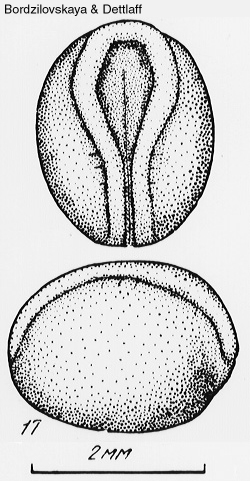
Axolotl embryo during late neurulation, with more advanced neural tube formation and visible organization of the developing body.
17. Late neurula I
Axolotl embryo showing further development of the neural tube and early differentiation of embryonic structures.
18. Late neurula II
Axolotl embryo during advanced neurulation, with continued body elongation and development of the head and trunk regions.
19. Late neurula III
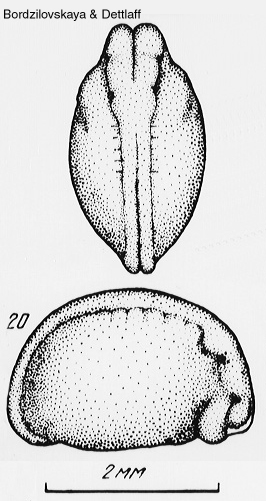
Axolotl embryo near completion of neurulation, showing an elongated body and increasingly defined embryonic structures.
20. Late neurula IV

Early Tailbud – Stages 21-25:

Bordzilovskaya, N.P., T.A. Dettlaff, Susan T. Duhon, and George M. Malacinski. 1989. Developmental-stage series of axolotl embryos. In Developmental Biology of the Axolotl edited by J.B. Armstrong and G.M. Malacinski. Oxford University Press, New York, pp. 201-219.

The Bordzilovskaya and Dettlaff staging series is also available in Axolotl Newsletter #7 (Spring, 1979).

Click on the buttons (72 dpi GIF images) below to view the larger images (150 dpi JPEG) of each stage.

Axolotl embryo at the early tailbud stage, showing an elongated body and the beginning of tail development.
21.
Developing axolotl embryo showing continued elongation of the trunk and growth of the tail bud.
22.
Axolotl embryo with a more pronounced tail bud and further differentiation of the head and trunk regions.
23.
Early tailbud axolotl embryo showing continued tail extension and development of the embryonic body structures.
24.
Axolotl embryo nearing the middle tailbud stage, with increased body elongation and a more developed tail.
25.

Middle Tailbud – Stages 26-30:

Bordzilovskaya, N.P., T.A. Dettlaff, Susan T. Duhon, and George M. Malacinski. 1989. Developmental-stage series of axolotl embryos. In Developmental Biology of the Axolotl edited by J.B. Armstrong and G.M. Malacinski. Oxford University Press, New York, pp. 201-219.

The Bordzilovskaya and Dettlaff staging series is also available in Axolotl Newsletter #7 (Spring, 1979).

Click on the buttons (72 dpi GIF images) below to view the larger images (150 dpi JPEG) of each stage.

Axolotl embryo at the middle tailbud stage, showing an elongated trunk and developing tail.
26.
Developing axolotl embryo with continued tail growth and increasing differentiation of the head region.
27.
Middle tailbud axolotl embryo showing further development of the body axis, tail, and early sensory structures.
28.
Axolotl embryo with a more defined head and trunk, continued tail elongation, and developing external structures.
29.
Axolotl embryo nearing the late tailbud stage, with a well-defined elongated body and increasingly developed tail.
30.

Late Tailbud – Stages 31-35:

Bordzilovskaya, N.P., T.A. Dettlaff, Susan T. Duhon, and George M. Malacinski. 1989. Developmental-stage series of axolotl embryos. In Developmental Biology of the Axolotl edited by J.B. Armstrong and G.M. Malacinski. Oxford University Press, New York, pp. 201-219.

The Bordzilovskaya and Dettlaff staging series is also available in Axolotl Newsletter #7 (Spring, 1979).

Click on the buttons (72 dpi GIF images) below to view the larger images (150 dpi JPEG) of each stage.

Axolotl embryo at the late tailbud stage, showing an elongated body, developing head, and prominent tail.
31.
Late tailbud axolotl embryo with further development of the head, eyes, and external gill structures.
32.
Developing axolotl showing increasingly defined facial features, external gills, trunk, and tail.
33.
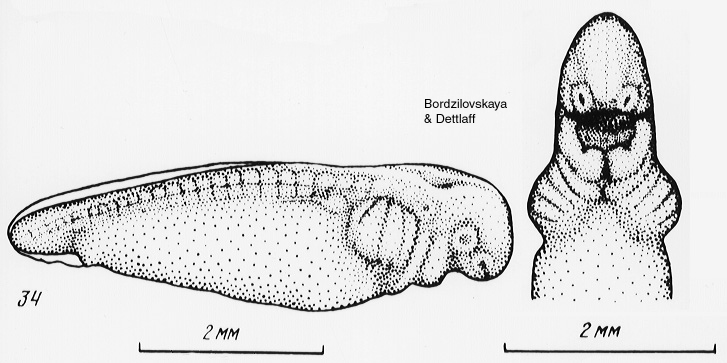
Late-stage axolotl embryo with more developed external gills and continued differentiation of the head and body.
34.
Axolotl embryo approaching hatching, showing a well-defined salamander body form, developed tail, and prominent external gills.
35.

Prehatched to Hatched – Stages 36-44:

Bordzilovskaya, N.P., T.A. Dettlaff, Susan T. Duhon, and George M. Malacinski. 1989. Developmental-stage series of axolotl embryos. In Developmental Biology of the Axolotl edited by J.B. Armstrong and G.M. Malacinski. Oxford University Press, New York, pp. 201-219.

The Bordzilovskaya and Dettlaff staging series is also available in Axolotl Newsletter #7 (Spring, 1979).

Click on the buttons (72 dpi GIF images) below to view the larger images (150 dpi JPEG) of each stage.

Advanced axolotl embryo within its protective egg membranes, showing developed external gills, eyes, trunk, and tail.
36.
Prehatching axolotl embryo showing further development of the head, external gills, and elongated tail.
37.
Developing axolotl larva within the egg membranes, with increasingly distinct salamander features.
38.
Axolotl embryo approaching hatching, showing a well-developed head, prominent external gills, and elongated tail.
39.
Late-stage axolotl embryo showing advanced larval development before emerging from the egg membranes.
40.
Prehatching axolotl larva with developed external gills, eyes, body, and tail.
41.
Axolotl embryo in the final stages before hatching, with a recognizable larval body form.
42.
Fully developed axolotl larva within or emerging from the egg membranes, nearing the completion of hatching.
43.
Newly hatched axolotl larva outside the egg membranes, showing an elongated body, external gills, and a long tail.
44.Just hatched